Reforestation in Brazil restoring degraded land and delivering verified carbon removal.
Location
Ponto dos Volantes, Mina Gerais, Brazil
Standards
VCS – Verified Carbon Standard
project documents
Project zone
590ha (including native forest)
Registry ID
4072
The project in a glance
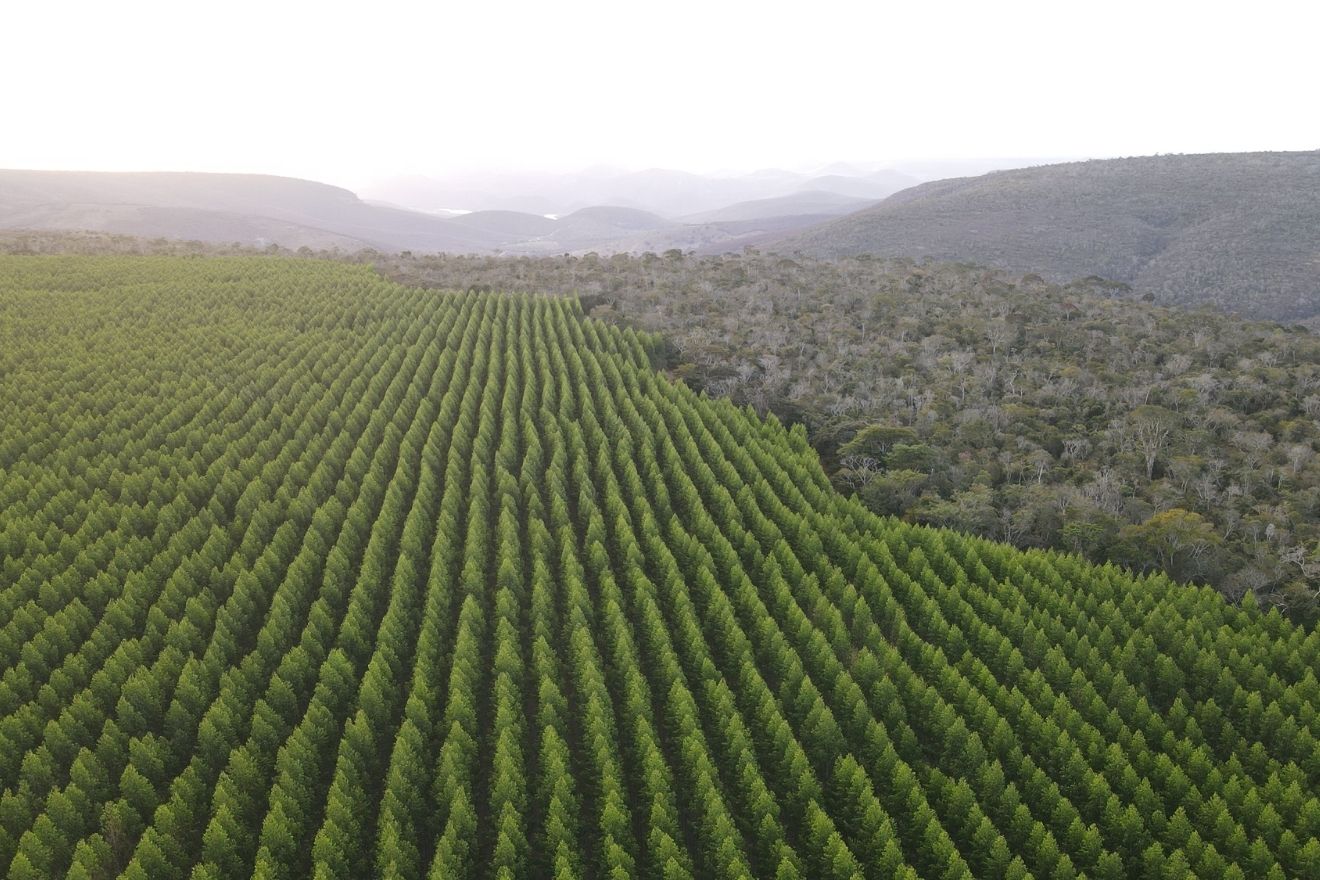
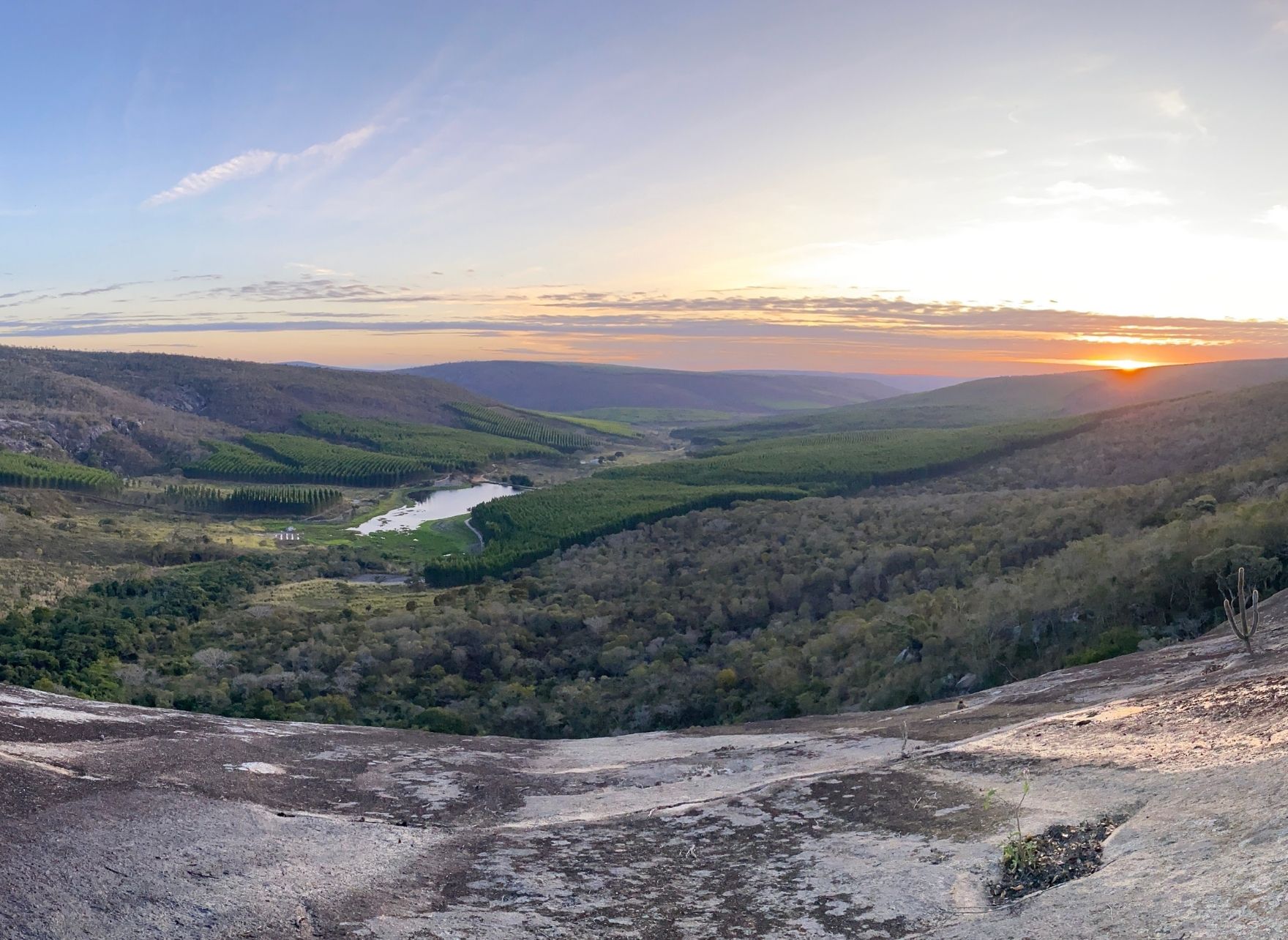
Where the Cerrado and the Atlantic Forest meet
Planting trees while restoring degraded land and enabling long-term, sustainable land use.
Baseline scenario
The transition zone between the Cerrado and the Atlantic Forest is one of Brazil’s most critical ecological regions—supporting biodiversity, regulating water systems, and storing carbon.
Yet decades of intensive land use have left large areas degraded and vulnerable.
DRIVERS
Deforestation and unsustainable agricultural practices have led to widespread habitat loss, soil depletion, and increased erosion—undermining both ecosystems and local livelihoods.
OUR SOLUTIONS
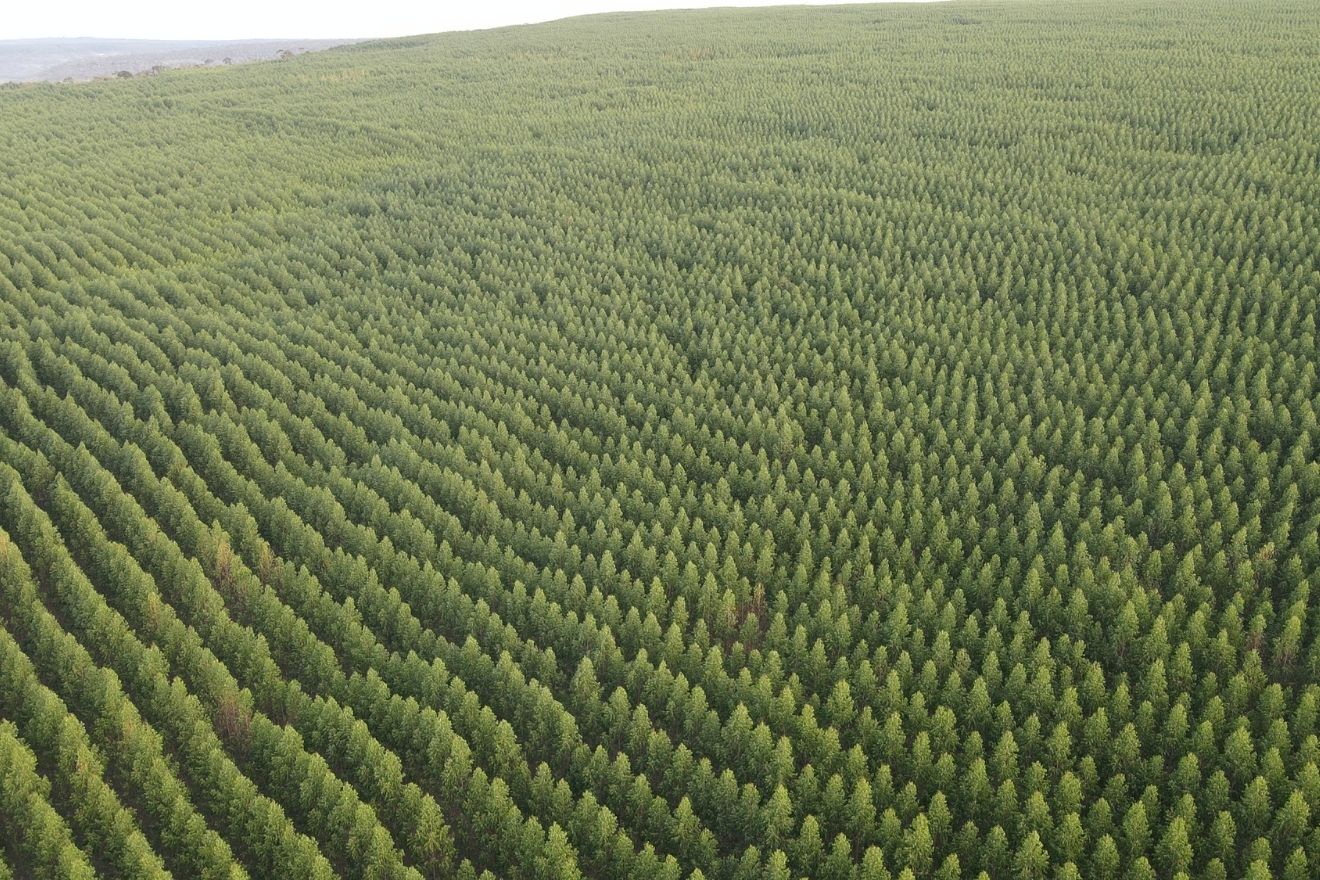
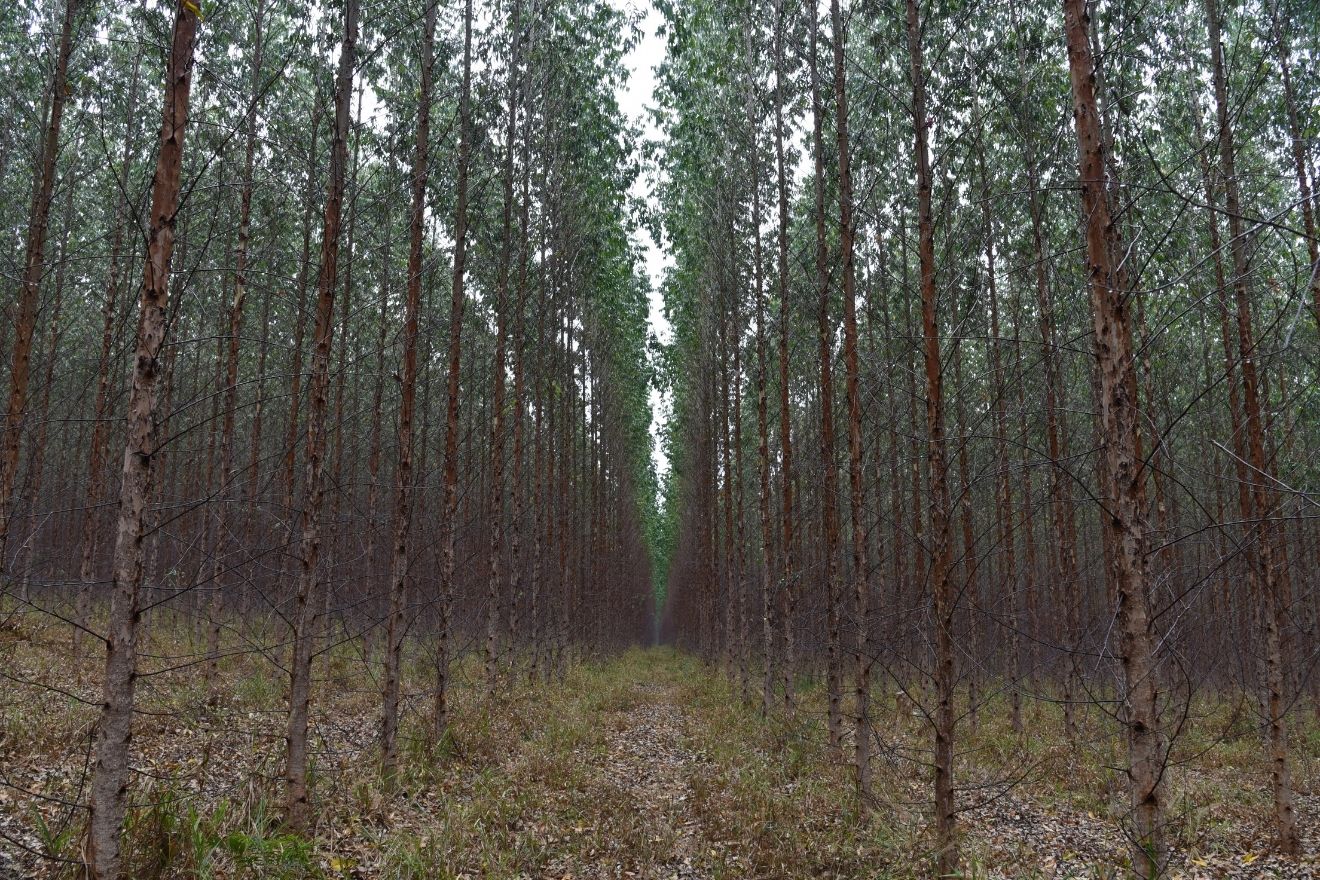
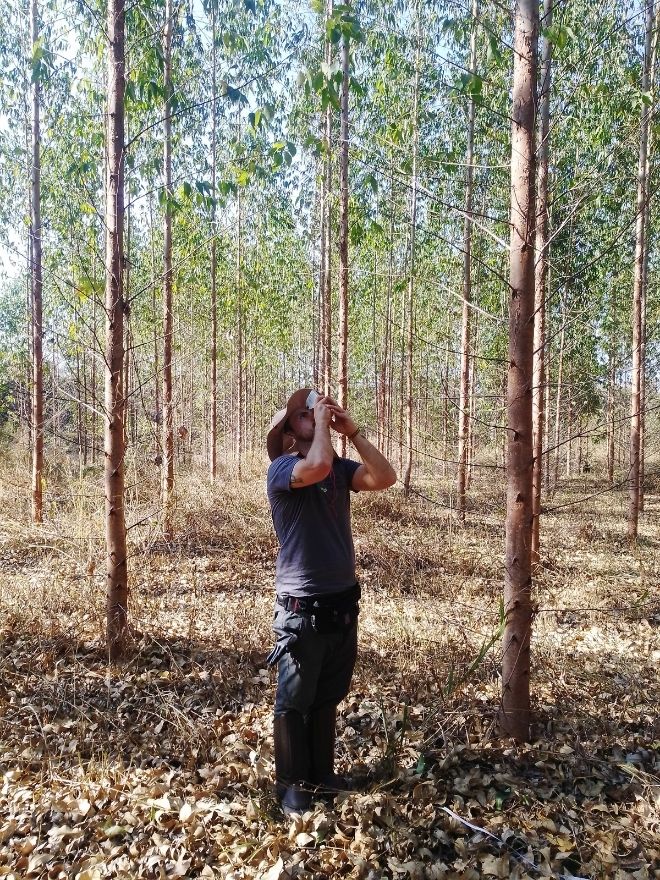
Fazenda Boa Vista is a reforestation (ARR) project restoring 293 hectares of degraded land through the planting of high-performing tree species.
By combining reforestation with sustainable land management, the project delivers long-term carbon removal while rebuilding ecosystem resilience.
Expected OUTCOMES
Revitalised habitats, improved livelihoods for surrounding communities, restored water cycles, and long-term carbon removal.
BASELINE SCENARIO
Restoring balance in a degraded landscape
Core goals
Restoring dry forest ecosystems
Strengthening local livelihoods
Reconnecting critical habitats
Ecotones—transition zones between ecosystems—are among the most biologically rich and functionally important landscapes on Earth.
Where the Cerrado meets the Atlantic Forest, species overlap, interact, and adapt—creating unique ecological conditions that cannot exist in either system alone.
These zones act as natural buffers, regulating water cycles, supporting biodiversity, and increasing resilience to climate variability.
Yet ecotones are also highly vulnerable. As frontiers of land conversion, they are often the first to degrade—and among the hardest to restore.
Fazenda Boa Vista operates within this ecological threshold, where restoring degraded land means more than reforestation. It is about preserving the integrity of a system that connects two of Brazil’s most important biomes—unlocking long-term environmental and productive value beyond carbon.
Without intervention, degraded lands remain locked in low-productivity cycles, offering limited ecological or economic value.
DRIVERS
Restoring function to degraded landscapes
The degradation of this region is the result of long-term land use pressures.
Extensive cattle ranching, combined with soil depletion and erosion, has reduced the land’s capacity to sustain vegetation and support biodiversity.
Without active restoration, these landscapes struggle to recover naturally.
Fazenda Boa Vista addresses these challenges by combining reforestation with sustainable land management—restoring ecological function while generating measurable climate benefits.
1
Forest reforestation
Over 293 hectares of degraded land are being restored through reforestation.
2
Sustainable management
Forest operations follow controlled cycles and continuous regeneration practices—ensuring long-term carbon permanence and land productivity.
3
Long-term monitoring
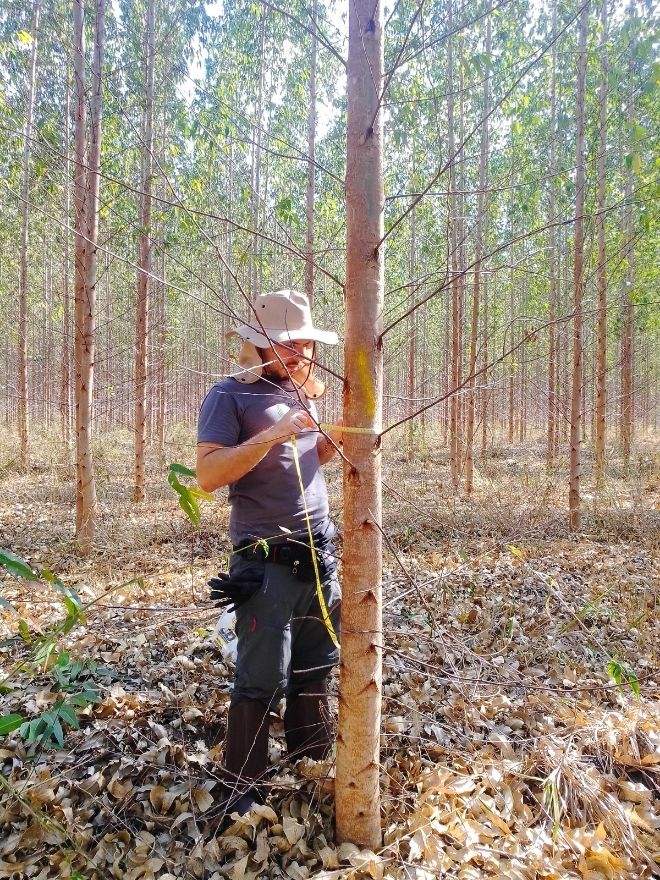
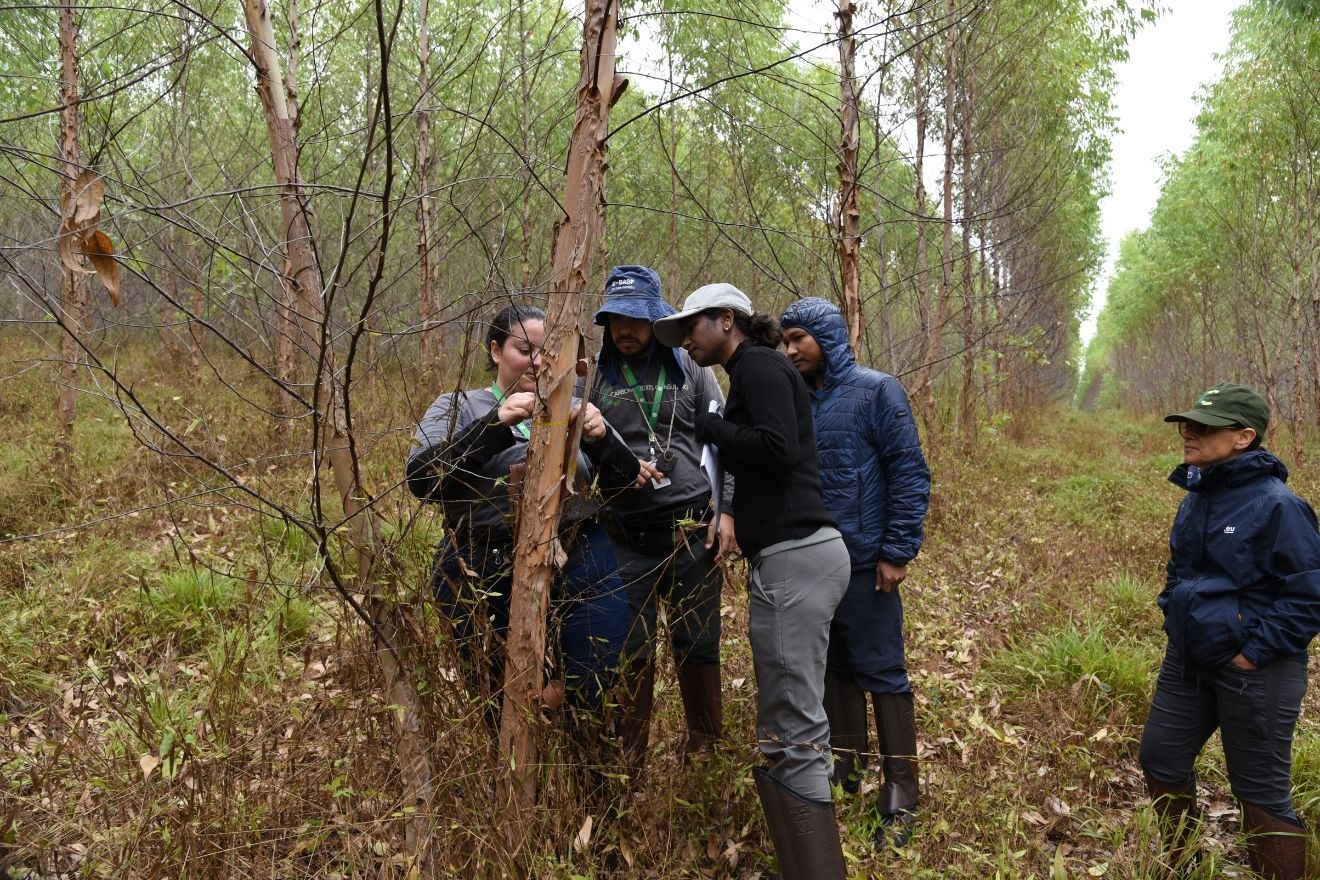
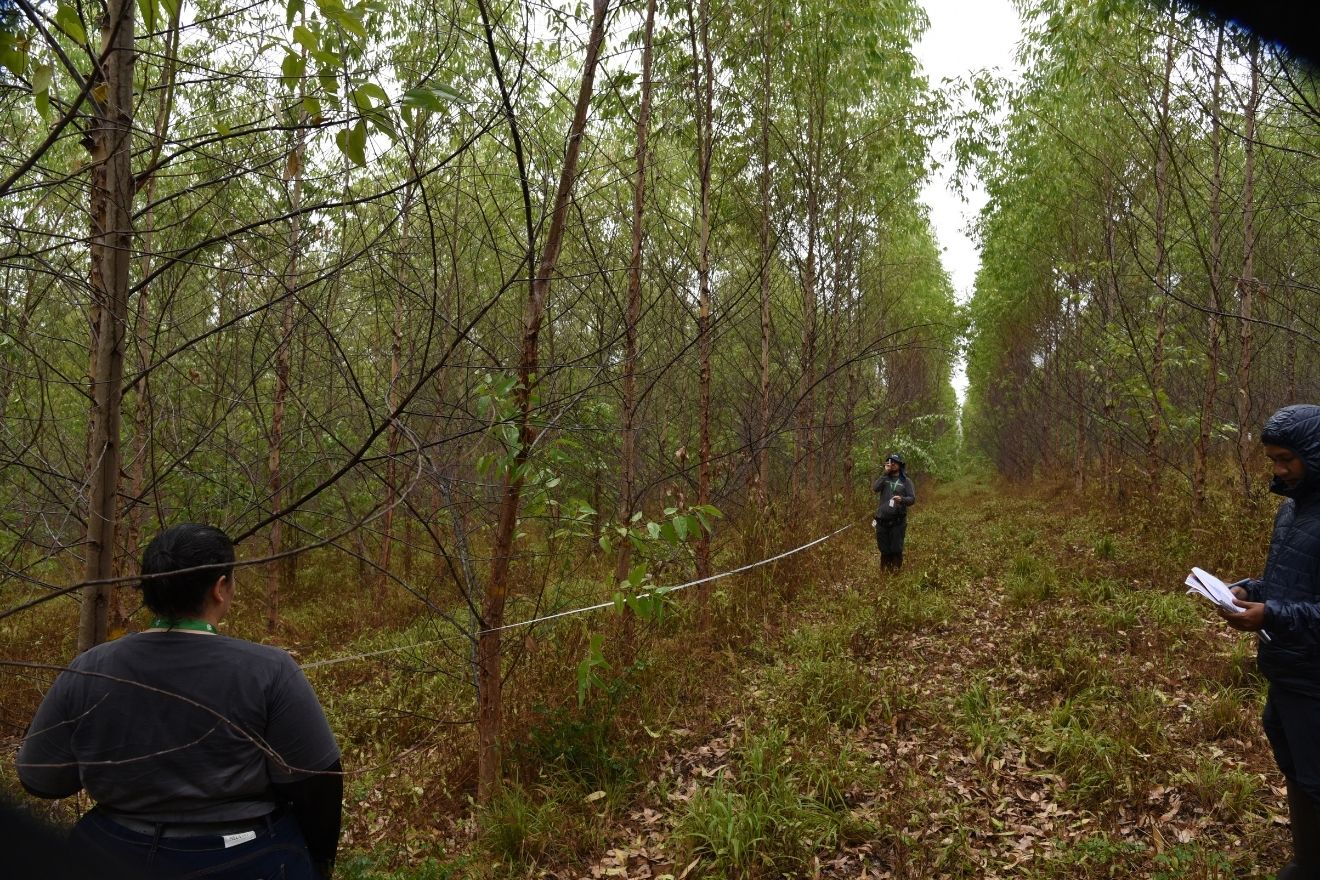
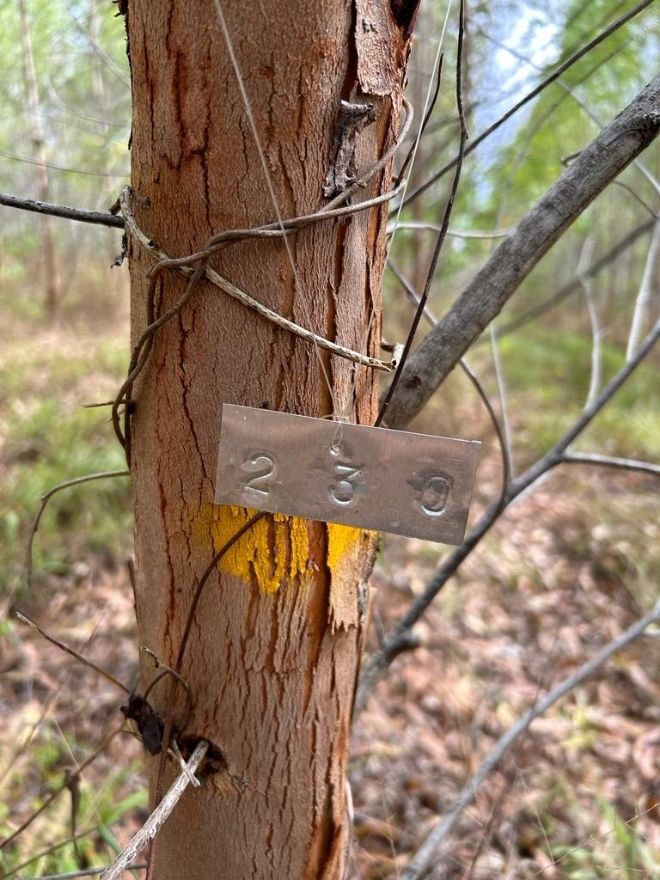
Continuous monitoring ensures performance across carbon, ecosystem health, and operational integrity over time.
293
Hectares of reforestation
300,000
trees planted
SOLUTIONS
Reforestation that goes beyond carbon
Forest reforestation
Over 293 hectares of degraded land are being restored through reforestation..
Sustainable management
Forest operations follow controlled cycles and continuous regeneration practices—ensuring long-term carbon permanence and land productivity.
Long-term monitoring
Continuous monitoring ensures performance across carbon, ecosystem health, and operational integrity over time.
EXPECTED OUTCOMES
Environmental
Restored soil health across degraded land, improved land stability, and measurable carbon removal—nearly 30,000 tCO₂ already captured within the first monitoring period.
Social
Improved working conditions and targeted training programs—supporting safer and more stable livelihoods.
Biodiversity
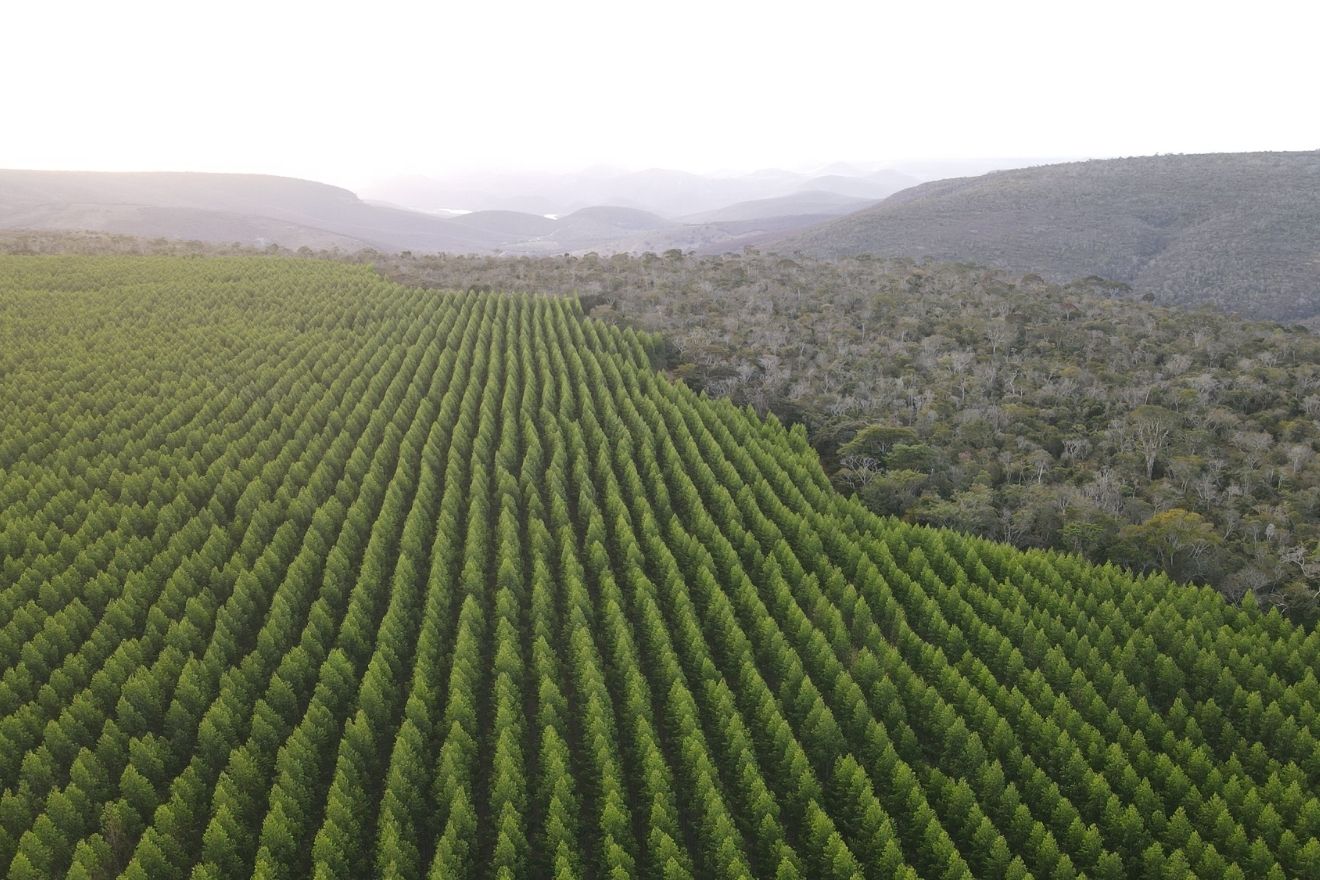
Enhanced ecosystem connectivity through a mosaic of planted and native forest areas, creating ecological corridors that support wildlife movement and habitat restoration.
Insights
dive deeper in the project
Natural Capital Asset
16/03/2026
Carbon Farming: Turning Soil Health into Climate Action
Camera Traps
16/09/2025
Camera Trap: The Puma